


Building capacity of drug-sellers and non-graduate providers to support public health priority services
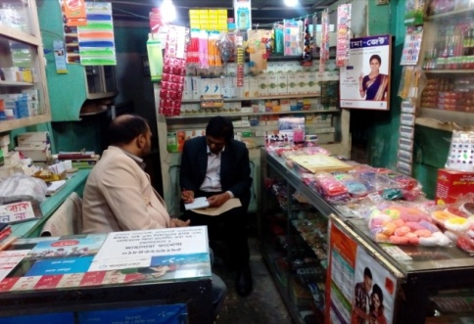
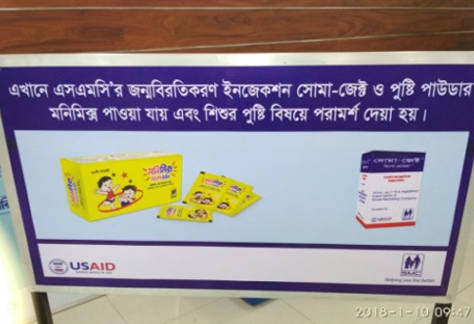
Private Community Health Providers (PCHP) play a vital role in health care service delivery in Bangladesh. This health service provider group, which includes pharmacists, drug sellers, and non-graduate practicing health providers, is often the first point of contact at the community level for minor ailments, such as diarrhea, cough and fever. Unfortunately, these providers have little or no formal training and lack the skills needed to deliver service at a minimally acceptable level. To help build some capacity, SMC came forward with a Health Provider Training Program (HPTP) in 1986 and has been implementing this since then.
The objective of the Program is to develop a cadre of motivated and proactive informal providers so that they can provide quality information / services to the customers they serve and limit the irrational use of drugs including the misuse of antibiotics.
Under the current phase of the program implementation, SMC will provide basic training to 5000 providers and refresher training to 8000 providers. The providers are selected based on certain eligibility criteria that include, among others, involvement in this profession at least for the last three years, have a minimum SSC level education and be willing to attend two days of basic and later one day of refresher training, and then act as a referral agent for public health priority services. The trainings are organized by three training teams, consisting of three members in each, located at Dhaka, Bogra and Khulna region. In order to provide quality training by experts and better workload management, SMC hired resource person with medical background for the facilitation of basic and refresher training.
The basic training curriculum mostly focuses on Family Planning Injectable follow up, counseling on MNP and, rational use of drugs. Besides personal hygiene, use of sanitary napkin, use of zinc as an adjunct therapy in diarrhea etc. are also being discussed.